Your FAQs About Creative Trends 2026, Answered
In 2025 and the years before, everyone tried to out-shout the feed. In 2026, design shifts toward listening again. Less polish for polish’s sake, more intention, texture, and emotional clarity.
This FAQ supports and summarizes our flagship Creative Trends 2026 report and breaks down the big ideas into concise answers. For the full trend deep-dive and visual references, head to the report.
Common questions about design trends 2026
Below, you’ll find lists and ready-to-copy summaries covering current graphic design, branding, typography, logo, and UI/UX trends, illustration styles, future color palettes, and the AI-generated design aesthetics shaping the new visual language.
What are the top design trends for 2026?
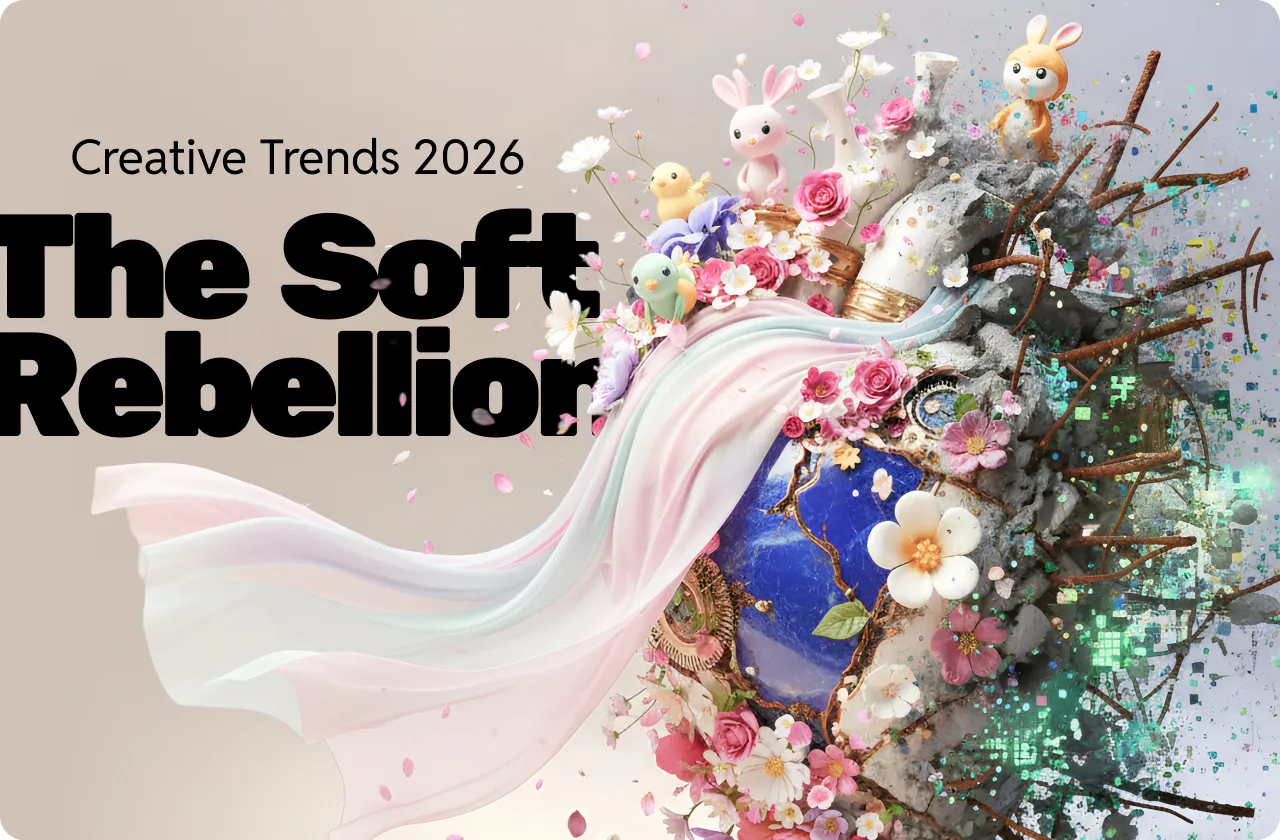
The top tendencies for 2026 can be summed up in one phrase: “The Soft Rebellion.” It marks a shift toward creative work that feels relatable, human, and grounded in reality, without rejecting technology or the progress it brings to the design process.
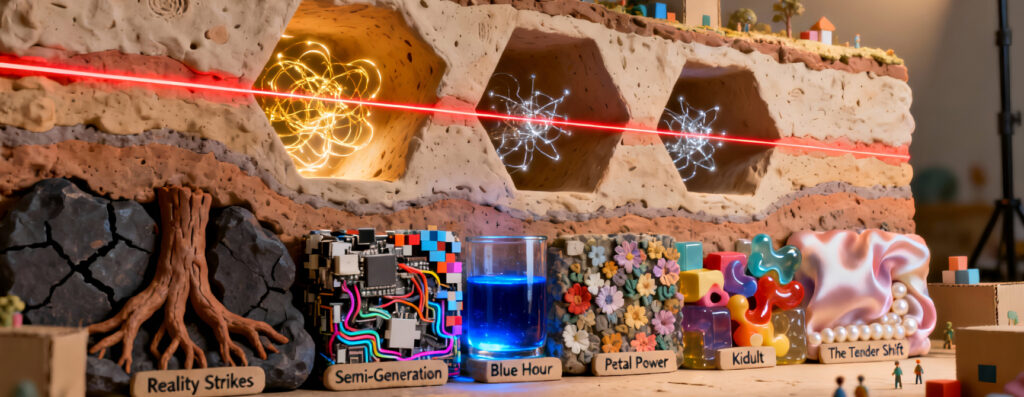
Top 8 creative design trends from the DepositPhotos Creative Trends 2026 report:
- Reality Strikes
- Blue Hour
- Authentically Artificial
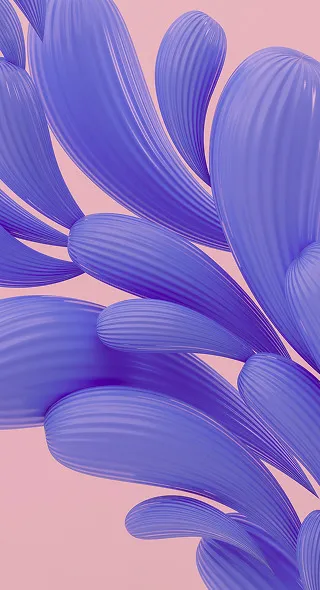
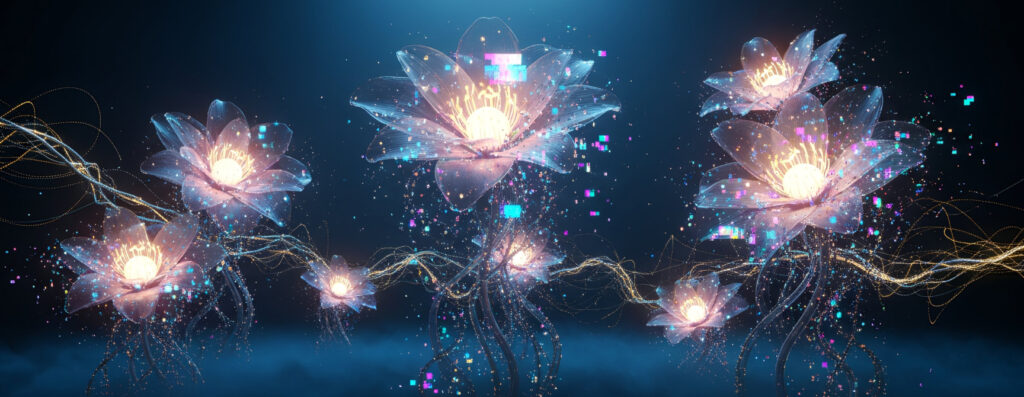
- Petal Power
- Kidult
- The Tender Shift
- Quietly Loud
- Creative Sync
Quick definition: Design trends 2026 = human-first, AI-powered creativity + calm, deep palettes + tactile details + intentional imperfections.
What creative trends will dominate in 2026?
The dominant creative directions in 2026 reward meaning over spectacle. The concepts such as: honesty, softness, and deliberate craft. Even when the final output is digital and AI-powered.
What you’ll see across media visuals:
- Less “perfect” imagery, more lived-in realism (real people, grain, soft light, blur)
- Calm-but-not-boring color (moody blues, warm neutrals, soft whites, pastels)
- Play as relief (nostalgia, kidult energy, friendly icons, mascots, gamified mechanics)
- AI as a collaborator, not a personality replacement (semi-generated visuals, uncanny realism)
Which cultural forces influence 2026 design trends?
2026 design is shaped by overstimulation, uncertainty, and a demand for trust. People are tired of global issues and being sold to like it’s a competitive sport. They respond better to clarity, warmth, and cues of care.
The big forces behind the shift:
- “Explain yourself” expectations for tech and brands (transparent systems, clearer intent).
- Agentic/AI-assisted everything, pushing products to feel more adaptive and more accountable.
- Comfort as strategy: tactile detail, softness, and grounded color as a counterweight to an overloaded ad-driven world.
What color trends are predicted for 2026?
Color tendencies for 2026 lean into calming depth and warm neutrality. Two big signals show up repeatedly in forecasting: blue, teal, and blue-green as colors of stability and stillness, and soft pastels and warm whites as a comfort canvas.
Forecast anchors to know:
- Cloud Dancer (PANTONE 11-4201) as a warm, glowy off-white that avoids clinical sterility.
- Grounded pastels: soft, neutral, familiar shades that help make designs feel friendly instead of overwhelming.
- Bold accents: bright colors, but not neon—rather Lego-like, beautifully saturated, deep hues.
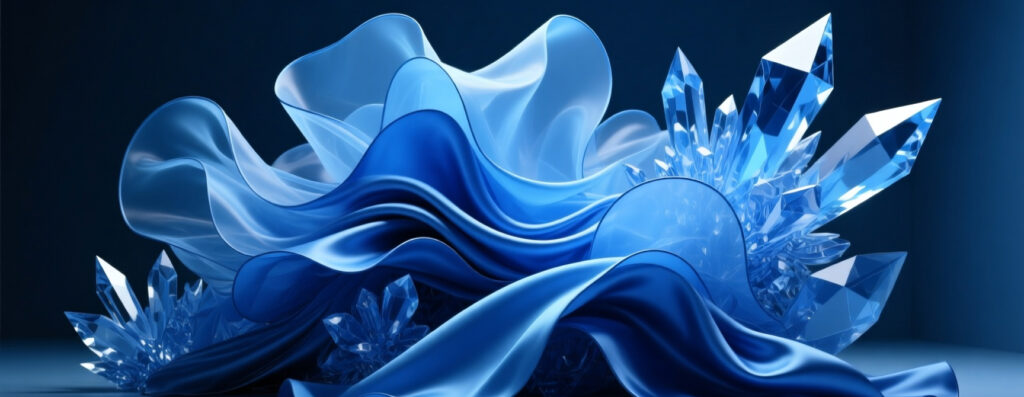
- Blue Hour energy: Transformative Teal from WGSN and Coloro’s “Color of the Year 2026”, along with moody blues that read as calm, cinematic, and credible, and work perfectly with pastels and whites.
How brands can apply future color palettes fast:
- Use warm off-white as the base
- Add one stabilizing deep tone (blue/teal)
- Reserve one joyful accent (petal pink, playful brights)
What graphic design styles will be trending in 2026?
Graphic design in 2026 is all about expressive clarity. No more “maximalism vs minimalism”. Ideally, it’s the best of both worlds, and the shift to “intention vs useless noise”.
The latest graphic design trends heading into 2026:
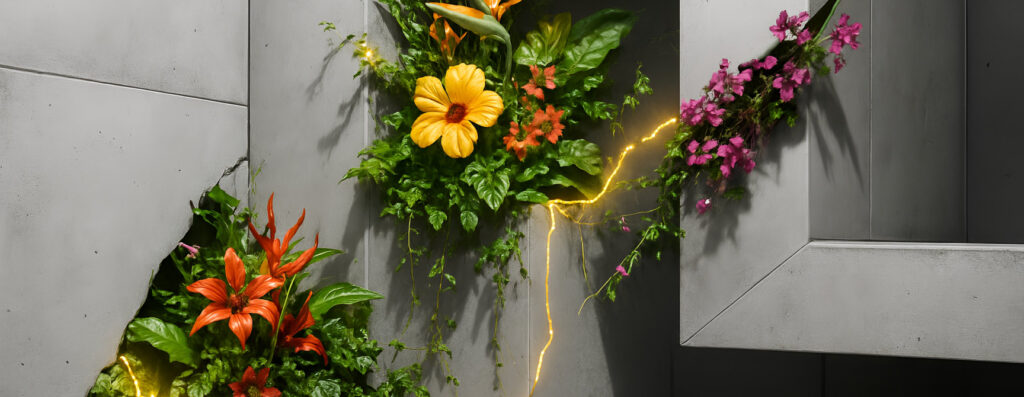
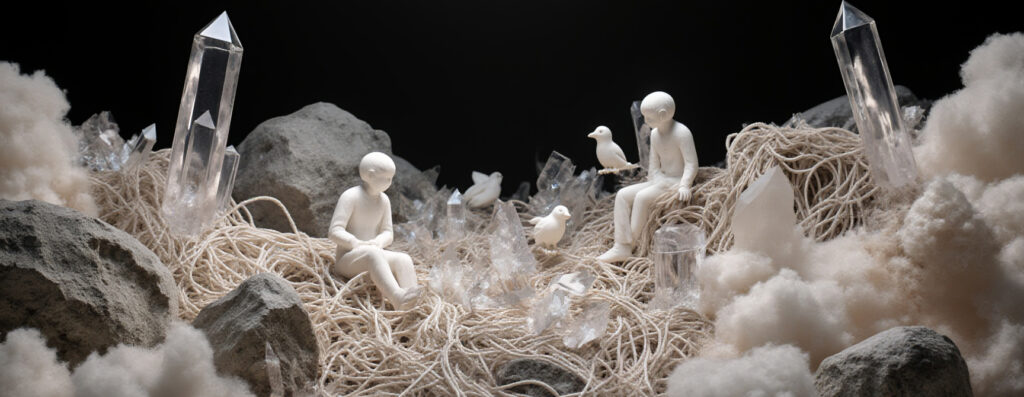
- Textured realism (authentic light and people, imperfect textures, floral motifs, documentary vibes)
- Soft editorial layouts (air, margins, negative space, easy navigation, readable hierarchy, soft motion, neumorphism, glassmorphism)
- Playful punch (bold shapes, funky icons, friendly illustrations, funny and relatable narratives)
- Purposeful contrast (quiet base + one disruptive element, bold color background + one huge letter)
Want the full trend breakdown, examples, and ready-to-use design direction? Our flagship report turns cultural signals into practical visual guidance, so you can make confident creative decisions faster.
Which typography trends will dominate?
Typography tendencies in 2026 are flexible, responsive, and occasionally in motion, but without sacrificing readability. Variable fonts and kinetic type are moving from “cool demo” to “useful system.”
Typography directions to watch and why they matter:
- Variable fonts for performance + responsive hierarchy (one file, many weights/widths)
- Modern serifs comeback for trust and editorial authority (especially in branding)
- Kinetic type with purpose (micro-animations that guide attention, not distract)
What illustration styles will trend?
Visual styles in 2026 swing toward warmth, personality, and texture. The vibe is less “vector-perfect corporate blob,” more “hand-drawn, crafty, friendly, and slightly odd in a good way.”
Illustration directions that match emerging aesthetics:
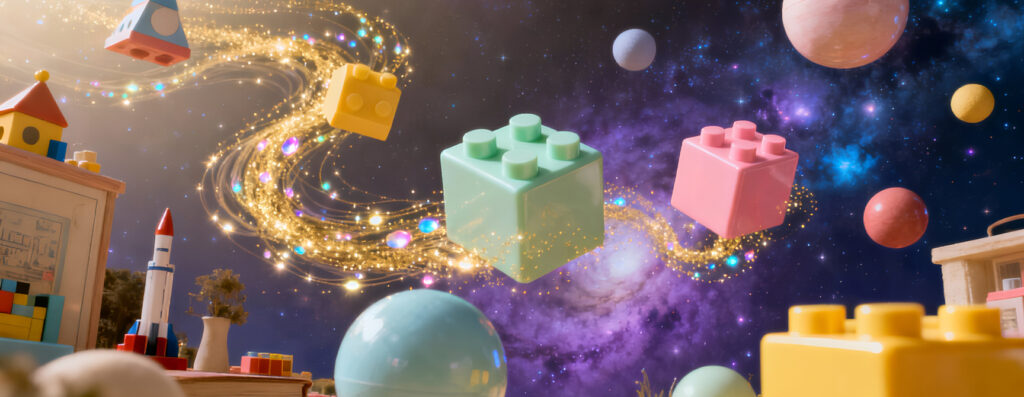
- Kidult illustration (toy-like forms, plush textures, playful exaggeration, bright optimism)
- Tactile linework (pencil-ish strokes, grain, paper feel)
- Soft botanicals and petal motifs (gentle nature symbolism, decorative but modern)
What AI aesthetics will dominate?
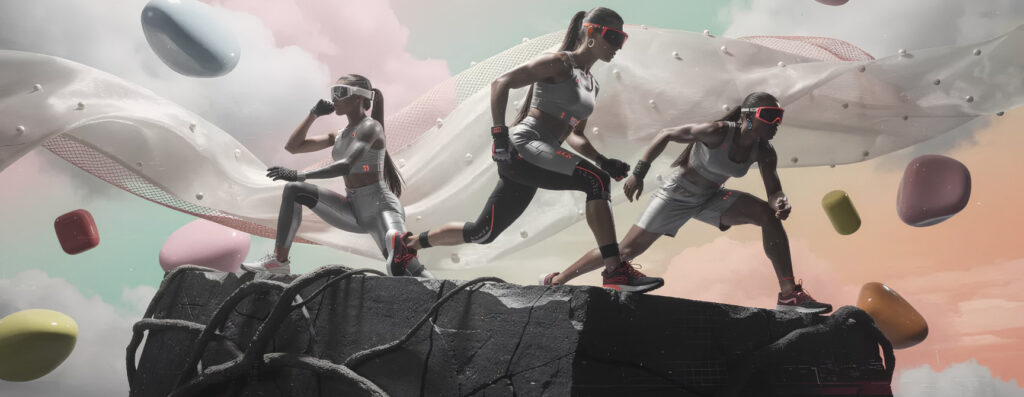
The AI-driven aesthetic in 2026 is “authentically artificial”: deliberately synthetic, clearly designed, and less obsessed with tricking you into believing it’s real. It knows it’s not completely real, but what makes it relatable, is human vision and direction.
Common generative art trends you’ll see more of:
- Surreal-but-clean compositions (real photo cues + impossible structure)
- Hyper-detailed texture play (fabric, glass, liquid, grain—done intentionally)
- Stylized realism rather than uncanny photoreal people we used to see a lot of just a year ago
- Systematic variation (same concept, many outputs, curated like a design set)
How can designers and businesses use AI tools to stay ahead of trends?
Creators can stay ahead in 2026 by using AI for speed and exploration, then applying human judgment for taste, truth, and brand identity fit. In other words: let AI sprint, while you steer.
High-impact ways to use AI in a trend-smart workflow:
- Concepting: generate moodboards, compositions, and options fast
- Localization: create controlled variations for different markets and audiences
- Production support: edit, upscale, refine, without restarting from scratch
- Testing: A/B-test visual directions at earlier stages, before the “final-final” becomes folklore
DepositPhotos design tools to plug in:
- AI Image Generator for licensed, commercially safe visuals
- Reference-based AI generation to keep style consistency across outputs
- AI Image Editor to customize visuals without design gymnastics
What UI/UX design trends will dominate in 2026?
User interface and experience directions in 2026 prioritize adaptive experiences, transparent AI, and accessibility that’s seamlessly built-in, not bolted on.
UI/UX patterns you’ll see more of:
- “AI that explains itself” UX (clear controls, disclosures, and user agency)
- Dynamic interfaces that adapt to intent and context without feeling too-much
- Performance-first design (fast feels premium, slow feels suspicious)
- Accessible typography + calmer motion (less dopamine, more usability)
What logo trends are coming in 2026?
Logo trends in 2026 lean “quietly loud”: simpler bases with one memorable twist, plus more flexible marks built to live across screens, motion, and AI-assisted workflows.
The logo directions you’ll see more of next year:
- Adaptive and responsive logos that scale cleanly and can shift slightly by context (sizes, placements, formats).
- Wordmarks with personality: custom lettering and typographic details doing more of the brand’s “speaking.”
- Craft cues: stamp/seal vibes, linework, handmade edges, less sterile perfection.
- Playful micro-marks (tiny symbols, blips, badges) that work well in UI, social avatars, and product surfaces.
- Atmospheric softness: warm neutrals, subtle gradients, calm depth but with a necessary punch for memorability. Especially when paired with simple shapes.
How can brands prepare for 2026 visually?
Prepare for 2026 by building a visual system that’s human-first, flexible, and calm under pressure. Because your brand will need to look trustworthy in motion, on mobile, and beside AI-generated content.
Practical 2026-ready brand identity checklist:
- Define a “calm base” palette (warm off-whites + deep blues/teals) and one confident accent.
- Design a texture layer (grain, paper, soft gradients, natural light) so your visuals don’t look painfully perfect.
- Create a responsive logo kit: primary mark, small-size mark, icon, mono version, dark/light versions.
- Write AI usage rules (style references, do/don’t list, prompt guardrails, review steps) to keep outputs on-brand.
- Update your typography hierarchy for readability-first layouts (especially mobile) and consider variable fonts where it fits.
- Build 10–20 “ready scenes” or templates aligned with the 2026 trend mood (calm, honest, tactile, playful).
What’s different about the 2026 trends compared to 2025?
2025 leaned more into bold experimentation and high-energy aesthetics, while 2026 shifts toward emotional clarity, softer realism, and more intentional use of tech for design concepts.
Here’s a concise comparison:
- 2025: louder contrasts, more “look at me” variety; AI as spectacle is a visible theme.
Mood: dynamic, eclectic, boundary-pushing. - 2026: meaning over noise, tactile detail, calm depth; AI as a collaborator rather than the main character. Mood: grounded, emotionally aware, quietly bold.
Which of the trends are likely to stick around for the next few years?
The stickiest 2026 tendencies are the ones tied to structural shifts in the global design culture (tech + behavior), rather than to “a look.” Creativity evolves based on how platforms, tools, and audience expectations are changing as we go.
Most likely to last in 2026 and beyond:
- Creative Sync (faster, more effective AI-assisted workflows and production systems).
- The Tender Shift (human-first communication, softer UI & UX, calm motion and 3D design).
- Authentically Artificial (emerging AI aesthetics that are intentionally imperfect, not pretending to be “real”).
- Blue Hour (calm, credible palettes and cinematic flair, especially in branding and UI).
- Reality Strikes (realism, transparency, less hyper-polish) as an ongoing counter-trend to synthetic overload.
More “seasonal” trends (strong in 2026, but likely to reshape):
- Kidult (play swings with culture; it will persist, but its visual form might evolve).
- Petal Power (nature motifs cycle—expect periodic resurgences rather than constant dominance).
- Quietly Loud (the “one bold move” approach will stay because it’s timeless, but what counts as bold will change).
Final thoughts
Next-year design tendencies aren’t a change of costumes—they’re a change of values. The most effective design next year will look like it has a pulse, made with real people in mind. Yes, even if an algorithm helped with the first draft.
If you’re planning for branding trends, digital trends, or a whole new brand identity system, treat 2026 as your invitation to build communication that’s clear enough to trust, and warm enough to keep.
Want the full framework? Get trend examples, practical applications, and the visual references teams actually need. Download the full report with trends and use it as your creative compass for the year ahead.